Causes, Global Impact of Oil Prices Surge Toward $120
Momin Raza
March 9, 2026
Why Oil Prices Are Surging
Oil markets around the world are in turmoil as geopolitical tensions in the Middle East particularly involving the U.S., Israel, and Iran threaten global energy supply routes, including the vital Strait of Hormuz. This key passage carries nearly 20% of the world’s traded oil, and disruptions have rattled traders and governments alike.
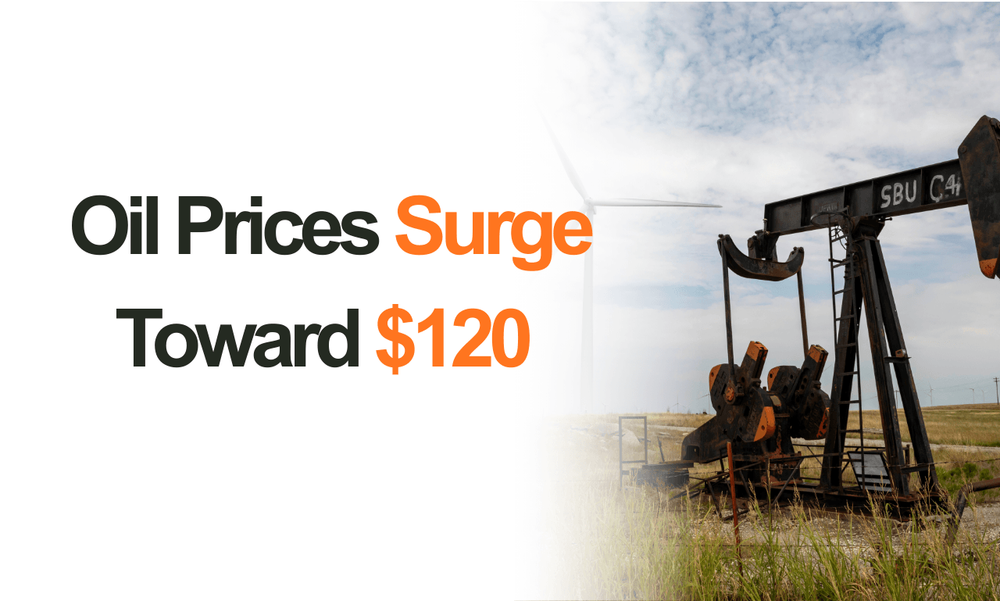
As a result, oil prices have climbed close to $120 per barrel a multi-year high driven by supply fears and growing uncertainty in global energy markets.
🇵🇰 Pakistan’s Historic Petrol Price Hike
In Pakistan, the government has responded to soaring global oil costs by raising petrol and diesel prices by Rs. 55 per litre one of the largest single increases in recent memory.
New domestic fuel prices in Pakistan (effective March 7, 2026):
- Petrol: from Rs. 266.17 ➝ Rs. 321.17 per litre
- Diesel: from Rs. 280.86 ➝ Rs. 335.86 per litre
📉 Impact on Everyday Life in Pakistan
- 🚗 Transport costs rising: Public transport fares and freight charges are increasing.
- 🛒 Inflation pressure: Higher fuel prices push up costs for food, LPG, and other essentials.
- 📈 Household budgets affected: Families feel the pinch as daily expenses rise.
Officials warn that if global oil continues toward $120 per barrel, Pakistan’s monthly oil import bill could surge, placing additional strain on the economy.
How Other Countries Are Reacting
The oil price surge is a global phenomenon, and many nations are adjusting fuel prices:
- India: Petrol ~INR 94.77/litre
- Bangladesh: Petrol ~BDT 116/litre
- Europe & U.S.: Prices are rising, with some governments considering fuel tax cuts to ease consumer burden.
Countries heavily dependent on imports are also exploring energy conservation measures and strategic reserves to reduce vulnerability to volatile oil markets.
What This Means Going Forward
Rising oil prices due to geopolitical tensions can reshape global markets and affect everyday costs. For consumers, this often translates into higher expenses for transportation, goods, and energy.
Governments may respond with policy adjustments, subsidies, or alternative energy investments, but the impact on households is immediate and significant.
Final Thoughts
The surge of oil prices toward $120 per barrel highlights how global events can ripple through economies and daily life. Pakistan’s Rs. 55 fuel hike is a clear example of the direct impact on citizens, while other countries are also experiencing economic pressure due to rising energy costs.
Consumers should plan budgets carefully, and governments must strategically manage energy imports to reduce the impact of volatile oil markets.
Ready to take control of your finances?
Download Spendly today and start tracking your expenses, managing budgets, and achieving your financial goals.
Download Spendly