Fleet Fuel Expense Management Program
Momin Raza
April 11, 2026
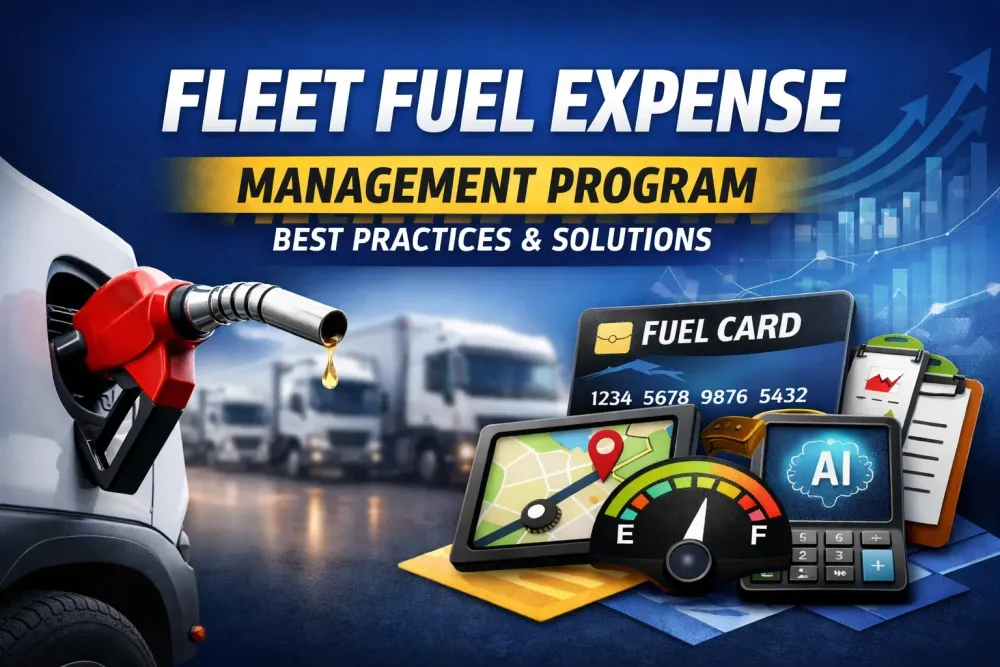
Fleet Fuel Expense Management Program
Fuel is one of the largest operational expenses for any logistics, transportation, or delivery-based business. Without a structured system, fuel costs can quickly become unpredictable, leading to financial leakage and reduced profitability.
A fleet fuel expense management program helps businesses track, control, and optimize fuel usage across all vehicles in real time. In this guide, we’ll explore how it works, why it matters, and the best practices to implement it effectively.
What is a Fleet Fuel Expense Management Program?
A fleet fuel expense management program is a structured system that helps organizations monitor and control fuel consumption across their vehicle fleet.
It typically includes:
- Fuel transaction tracking
- Vehicle-wise consumption analysis
- Fuel card integration
- GPS-based mileage monitoring
- Automated reporting and alerts
The goal is simple: reduce fuel waste and improve operational efficiency.
Why Fleet Fuel Expense Management is Important
Fuel costs can account for a major portion of fleet operating expenses. Without proper tracking, businesses face issues like:
- Fuel theft or misuse
- Unoptimized routes increasing fuel consumption
- Lack of visibility into per-vehicle performance
- Inaccurate manual reporting
- Budget overruns
A proper program ensures transparency and accountability across the entire fleet.
Key Components of a Fleet Fuel Expense Management Program
1. Fuel Card Integration
Fuel cards allow businesses to:
- Track every fuel purchase in real time
- Restrict unauthorized usage
- Centralize billing and reporting
2. Real-Time Fuel Monitoring
Real-time tracking helps you:
- Monitor fuel usage per vehicle instantly
- Detect abnormal fuel spikes
- Identify inefficiencies early
3. GPS-Based Mileage Tracking
Combining fuel data with GPS tracking enables:
- Accurate fuel-to-distance ratio analysis
- Route optimization
- Detection of unnecessary idling or detours
4. Automated Reporting System
Automated dashboards provide insights such as:
- Fuel cost per kilometer
- Total fleet fuel consumption
- Vehicle-wise performance comparison
- Monthly fuel expenditure trends
5. Driver Behavior Monitoring
Driver habits significantly impact fuel consumption. A good program tracks:
- Harsh braking or acceleration
- Idling time
- Speed consistency
Best Practices for Fleet Fuel Expense Management Program
1. Set Fuel Consumption Benchmarks
Define expected fuel usage based on:
- Vehicle type
- Load capacity
- Route conditions
2. Use Digital Fuel Logs
Replace manual logs with digital systems to ensure:
- Accuracy
- Transparency
- Faster audits
3. Conduct Regular Fuel Audits
Frequent audits help detect:
- Leakage or fraud
- Inefficient vehicles
- Reporting inconsistencies
4. Optimize Routes
Use data insights to:
- Reduce travel distance
- Avoid traffic-heavy routes
- Improve delivery efficiency
5. Maintain Vehicle Health
Poor maintenance increases fuel consumption. Ensure:
- Regular servicing
- Tire pressure checks
- Engine tuning
Benefits of a Fleet Fuel Expense Management Program
Implementing a structured system delivers multiple advantages:
- Reduced fuel costs
- Improved operational efficiency
- Better financial visibility
- Fraud prevention
- Data-driven decision making
- Higher fleet productivity
Modern AI-Powered Fuel Management Systems
Traditional fuel tracking systems are manual and limited. Modern AI-based solutions take it further by:
- Predicting fuel usage trends
- Detecting anomalies automatically
- Providing smart cost-saving recommendations
- Integrating with accounting systems
This transforms fuel management from reactive to proactive.
Try Fuel Cost Calculation
You can estimate your fleet fuel expenses using this tool:
👉 https://myspendly.com/tools/fuel-cost-calculator
Conclusion
A fleet fuel expense management program is no longer optional — it is essential for any business managing vehicles at scale. With proper tracking, automation, and analytics, companies can significantly reduce fuel costs and improve overall fleet performance.
Ready to take control of your finances?
Download Spendly today and start tracking your expenses, managing budgets, and achieving your financial goals.
Download Spendly